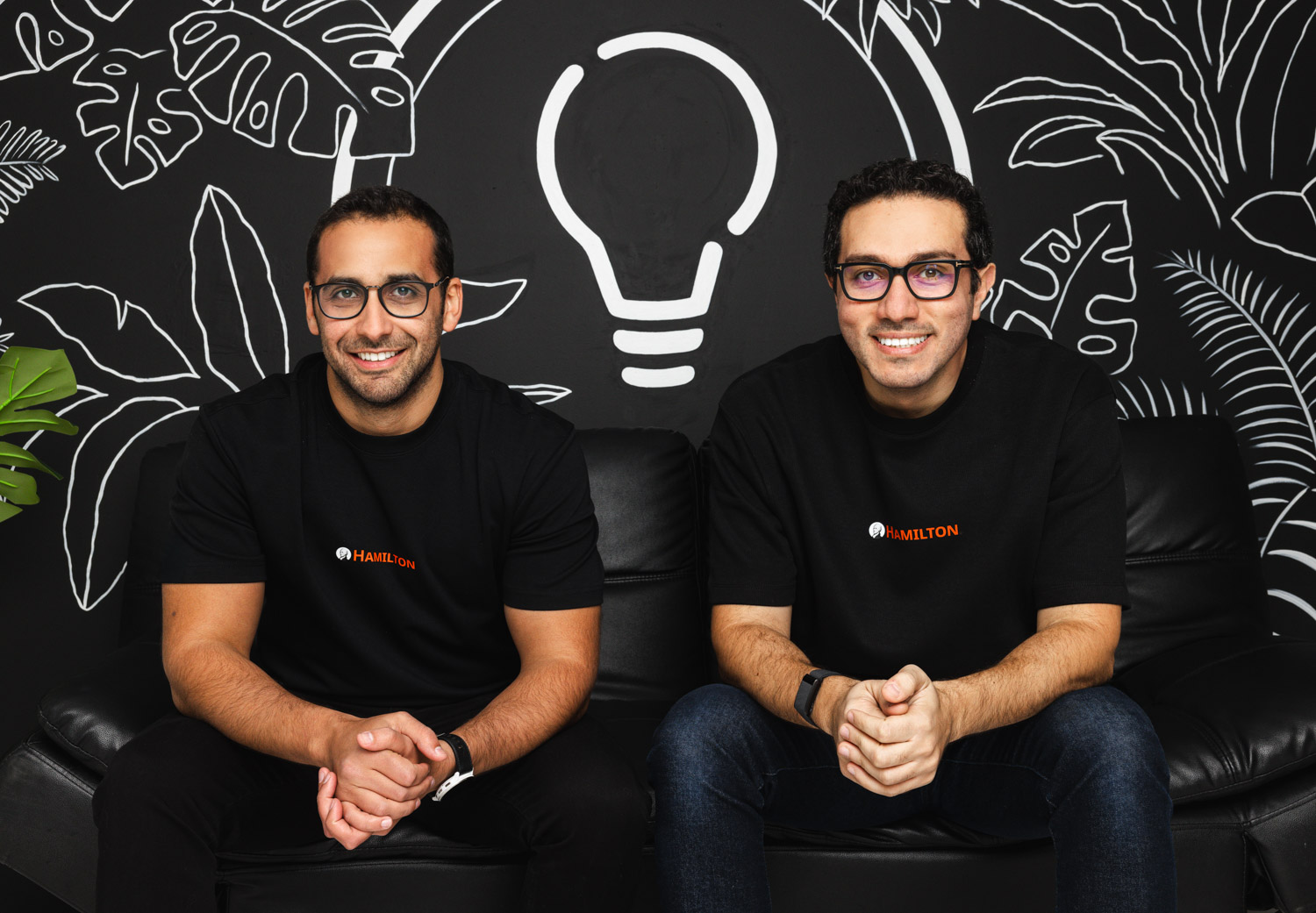
Hamilton Labs, a U.S.-based financial infrastructure company, has secured an undisclosed investment from AXIAN Investment, the venture capital arm of AXIAN Group, to expand its dollar stablecoin infrastructure across Africa.
The funding will help roll out Hamilton’s flagship stablecoin, USDh, and accelerate its growth through partnerships with fintech platforms aimed at providing African consumers and businesses with reliable dollar-based savings and payment solutions.
USDh is a dollar-pegged stablecoin supported by U.S. government bond reserves, allowing users to hold a digital dollar that maintains value while generating returns from the underlying bonds. This enables individuals and businesses to save in dollars while earning yield on their holdings.
Mo Kasstawi, Hamilton’s co-founder and CEO, noted that many Africans still lack access to stable dollar savings and dependable financial tools. He emphasized that programmable digital dollars like USDT can broaden access to global financial systems and help users protect and grow their savings regardless of location.
The investment also represents AXIAN Investment’s second move into stablecoin infrastructure, highlighting its confidence in the role digital assets will play in Africa’s financial future.
Benjamin Toulouze, Head of Corporate Venture Capital at AXIAN Investment, stated that stablecoins bring significant value to Africa by improving financial inclusion and supporting both individuals and businesses. He added that AXIAN Group’s strong presence in mobile money operations makes stablecoins a natural extension of its services, helping the company prepare for the next phase of financial innovation.
Hamilton enables users to access USDT through exchanges, fintech applications, over-the-counter desks, and decentralized finance (DeFi) platforms, with the ability to convert the stablecoin into dollars through the same channels using a unified API system.
This approach allows fintech partners to integrate dollar wallets, cross-border payments, and interest-earning balances without building complex infrastructure from scratch.
Although Hamilton has not revealed its partners, the company plans to collaborate with fintech firms, digital wallets, exchanges, and infrastructure providers that already serve users seeking dollar-based financial services. Entering a competitive market that includes stablecoins such as USDT and USDC, as well as other yield-generating tokens, Hamilton aims to stand out by combining yield generation with fintech-ready infrastructure designed for real-world financial products.
Kasstawi explained that Hamilton’s strategy focuses on building scalable infrastructure that enables fintech companies to offer dollar accounts, payments, and treasury solutions within their own markets. He stressed that the real gap in the market is not just yield, but accessible infrastructure that fintechs can deploy efficiently at scale.
Beyond Africa, Hamilton is exploring expansion into other emerging regions where access to stable dollar savings is limited and cross-border payments remain inefficient. The company plans to grow into markets in the Middle East, Latin America, and Southeast Asia by forming partnerships and integrating into existing financial networks, with the long-term vision of creating a global digital dollar ecosystem starting in regions with the greatest need.